
Challenge: Water Losses in Complex Distribution Networks
Leak Detection in Drinking Water Networks: Efficient Reduction of Water Losses
Water losses in drinking water networks are among the biggest challenges facing utilities worldwide. Particularly in regions with extensive, aging infrastructure and complex supply networks, there is growing pressure to sustainably reduce non-revenue water (NRW).
A look at international markets reveals the scale of the problem: large utility networks, such as those in Miami-Dade, serve over 2 million people and operate thousands of kilometers of pipeline networks. In such systems, leaks often go undetected for a long time and cause ongoing losses.
Products in use
Solution: SebaKMT® technologies for precise leak detection and network monitoring
As a technology partner, SebaKMT® helps utilities around the world reduce water loss.
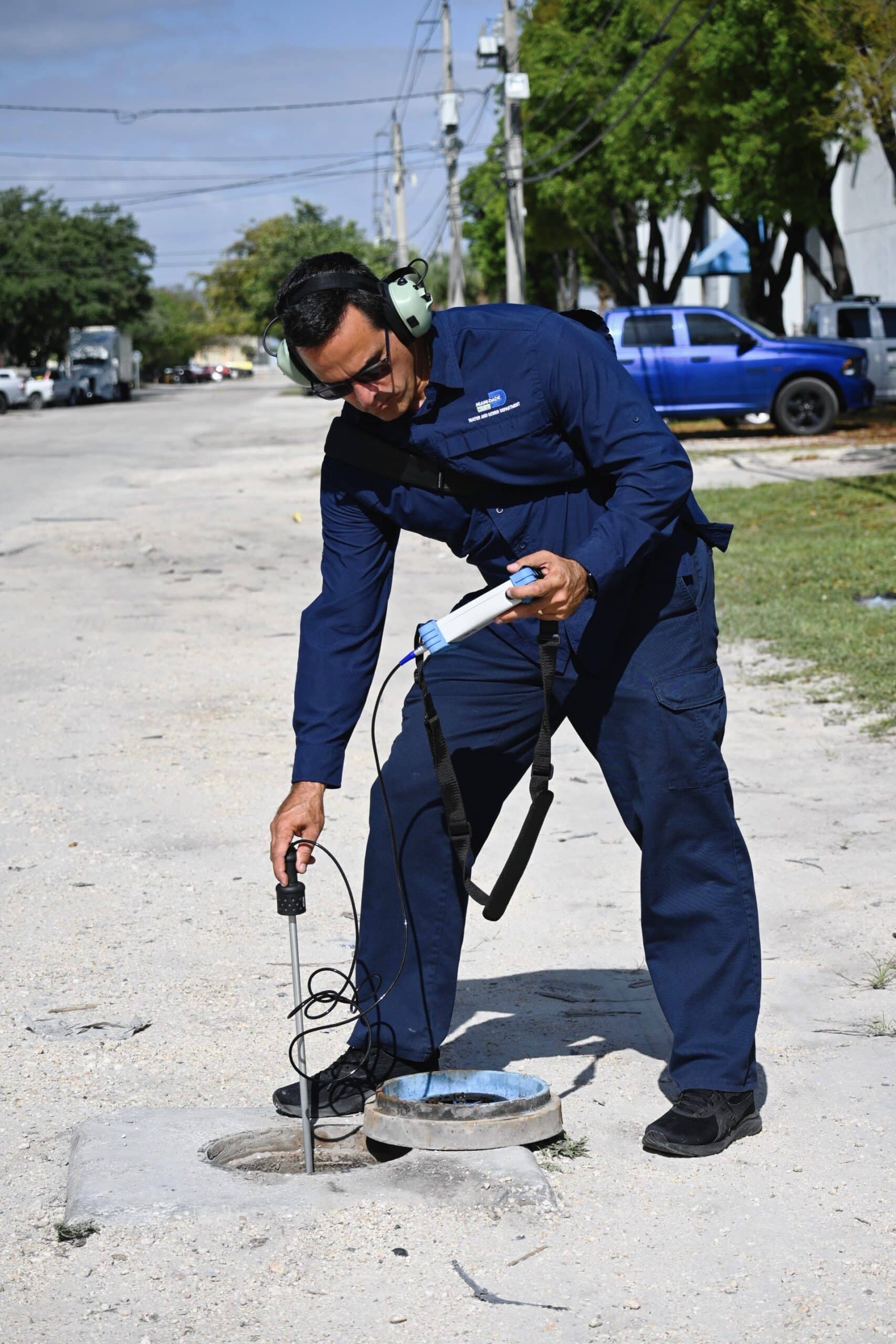
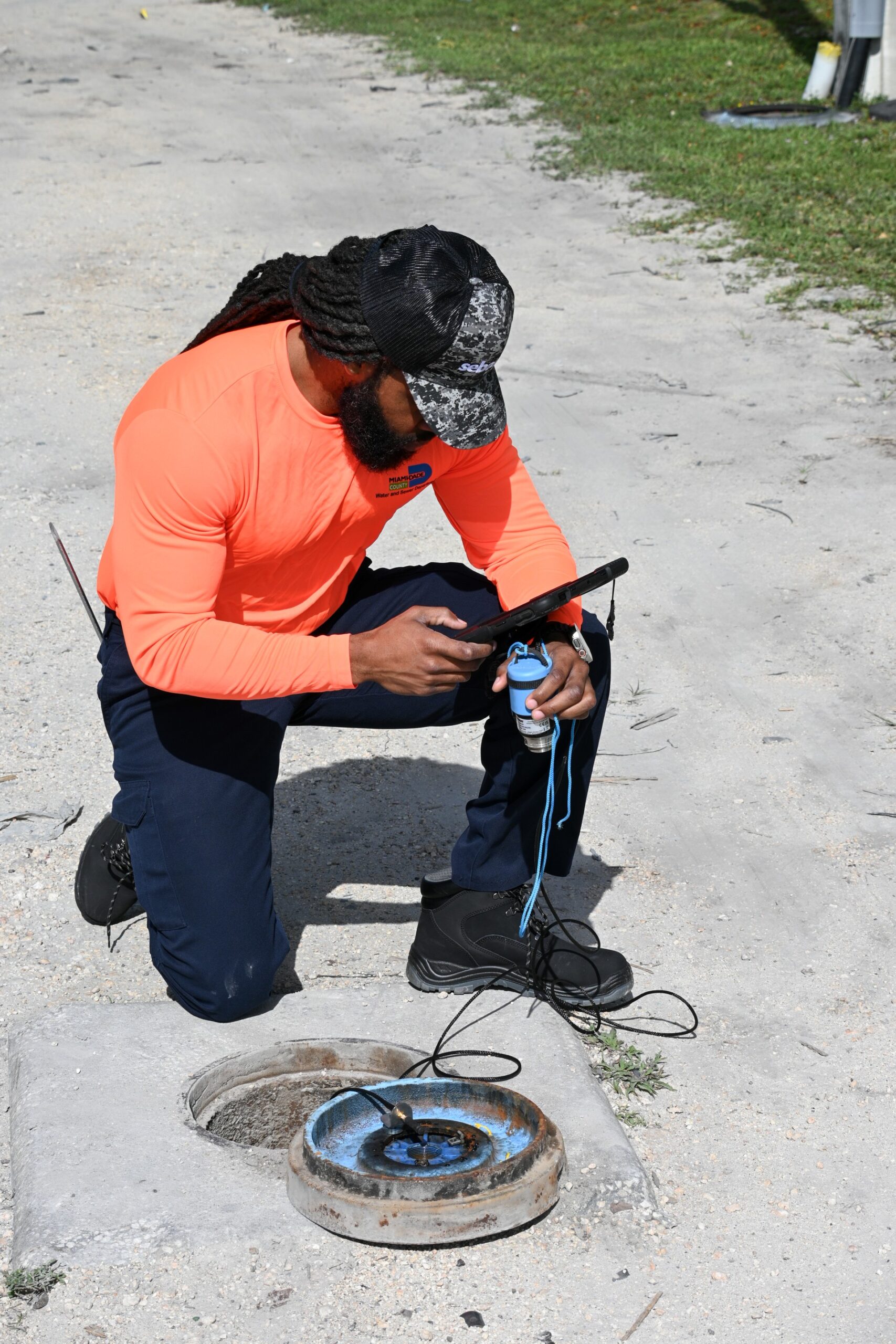
This project combined various solutions, including SmartEAR®, SmartEAR®+, POSEYEDON®, Correlux C-3, and the HL 7000.
By combining continuous network monitoring with acoustic leak detection, we gain a clear picture of the condition of the drinking water network. SmartEAR® loggers continuously record noise data, enabling the early detection and targeted analysis of anomalies.
Result: Faster leak detection and measurable efficiency gains
Thanks to the technologies used, previously undetected leaks have been identified much more quickly.
Precise acoustic location using the Correlux C-3 and HL 7000 made it possible to pinpoint the damaged sections. At the same time, SmartEAR® and POSEYEDON® helped to continuously monitor the network and determine the most urgent actions to take.
This resulted in significantly more efficient leak detection, shorter search times, and more targeted field operations planning.
Benefit: Sustainable reduction of non-revenue water
By implementing SebaKMT® solutions, our customers have been able to significantly improve their strategy for reducing NRW.
The combination of digital network monitoring, data-driven analysis, and precise leak detection provides transparency in the drinking water network and enables informed decision-making.
The result is reduced water loss, optimized operational processes, and more cost-effective use of existing infrastructure over the long term.